5 min read
The Evolution of AI Influence: How the Rules of Influencer Marketing Have Changed in 2026
Back in 2025, discussions about virtual influencers were perceived by many brands as an expensive image-building experiment. At the time, the global market for AI avatars was valued at a solid, yet introductory 8.30 billion USD. However, within a short period, the numbers silenced the skeptics: as of May 2026, this segment has soared to 11.74 billion USD. The global brand adoption rate of virtual personas climbed rapidly from 60% in 2025 to 73% in 2026, according to recent findings from a Gartner study. This is no longer a temporary hype, but a massive reallocation of budgets that forces us to completely re-evaluate traditional approaches to working with creators.
Economic Feasibility and Operational Scalability of AI-Generated Media
The primary driver behind marketers' interest in artificial personas is the desire to minimize operational risks and optimize costs. Collaborating with real people always carries an element of unpredictability: contract negotiations, delays in product sample delivery, and personal reputation scandals can jeopardize even an ideally planned launch.
AI avatars offer the market fundamentally different working conditions:
- Financial Optimization. Producing integration content with a virtual persona costs companies an average of 38% less than collaborating with a real creator with an equivalent following size.
- Speed to Market. Generating high-quality visual content featuring a digital avatar takes between 24 and 48 hours, whereas shooting and approving material with real people typically stretches over a period of 3 to 14 days.
- Absolute Brand Safety. A virtual ambassador acts strictly according to the script, which guarantees 97% compliance with brand safety standards, while the average rate for humans hovers around 74%.
- Scalability Without Borders. The same digital persona can broadcast content in dozens of languages simultaneously, work 24/7, and interact with audiences across various time zones.
It is precisely because of these factors that major global brands are creating their own virtual thought leaders or partnering with top-tier digital stars like Lil Miquela for large-scale launches in the fashion and tech industries. To navigate this automated landscape efficiently, enterprises are deploying Creally AI-native workflows to streamline creator matching and eliminate manual operational bottlenecks.

The Transactional Trust Deficit and the Engagement Rate Paradox
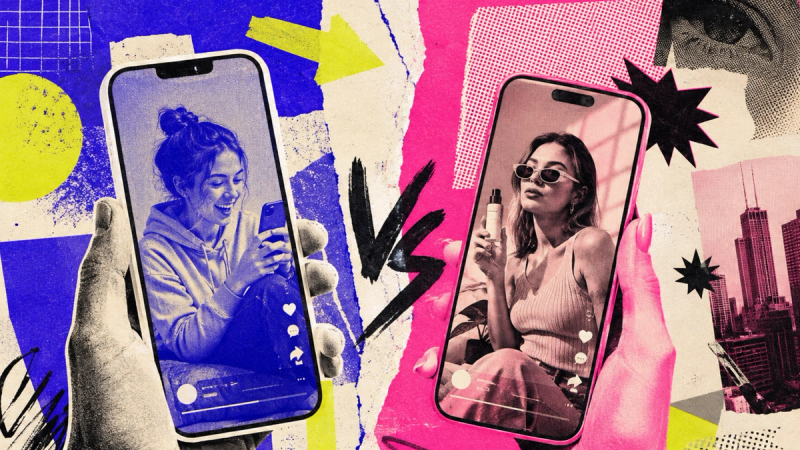
From an analytical standpoint, we are witnessing a fascinating paradox. Campaigns featuring virtual influencers deliver an average engagement rate of 5.67%, which is nearly three times higher than the metrics of traditional bloggers. Users actively comment on posts and react to complex graphics.
However, as we have previously analyzed, high engagement does not automatically translate to commercial success. In fact, looking at interaction data in a vacuum often explains why engagement is a comfort metric and why it fails at scale. In this context, high metrics reflect mere aesthetic interest and consumer curiosity, rather than an intent to open their wallets. This is where a serious trust barrier arises:
- Product Skepticism. Consumers are fully aware that a digital model cannot physically use a skincare cream, evaluate the taste of a beverage, or test the comfort of clothing in real life.
- Trust Score Discrepancy. The trust rating for recommendations from artificial personas stands at a modest 42 out of 100, while real people consistently maintain a benchmark of 73 out of 100.
- Impact on Conversion. This trust deficit translates directly into business performance. Human user-generated content (UGC) drives a 19% lift in purchase intent, whereas AI-generated content yields a more modest 12%.
This operational tension is highly visible across the industry, where a striking 89% of enterprise brands still avoid deploying virtual influencers in direct commercial campaigns. Marketers remain deeply cautious, fearing negative consumer reactions and a drop in hard-won product trust. Yet, this hesitation is strictly public-facing; behind the scenes, 74% of these same organizations actively integrate AI into their internal workflows to optimize creative briefs and discover authentic human creators.
The New Reality: The Fight Against Fraud and the Regulatory Storm
The rapid growth of influencer marketing budgets has inevitably caught the attention of fraudsters and regulators. Influencer fraud has shifted from a minor nuisance into a major operational risk for businesses.
An analysis of 100,000 Instagram and TikTok accounts conducted by SociaVault Labs revealed that, on average, 37.2% of followers of real influencers show signs of being inauthentic or are standard bot accounts. Because of this, brands lose approximately 19.2% of their budgets, which equates to 4.6 billion USD in annual losses across the global market. According to a report by the Sumsub verification platform, total losses from deepfakes and fraud in the influencer marketing sector reached 4.8 billion USD in 2026. This has forced major industry players to spend over 420 million USD annually just on third-party audit and verification tools before signing any creator contracts.
In parallel, pressure from state authorities has intensified. Following the implementation of strict Federal Trade Commission (FTC) guidelines regarding the labeling of AI content and the fight against fake reviews, regulators in the US and the UK have already launched formal investigations into more than 2,340 creators and marketing agencies. Transparency and openness with the audience have become not just an ethical choice, but a strict legal requirement.
Hybrid Models and the Strategy of a Smart Balance
For a professional marketer in 2026, the choice does not lie within the "AI versus human" dichotomy. The companies that win will be those that learn to combine both tools to address different objectives along the marketing funnel.
An effective allocation model looks like this:
Reach and Image Building (Upper Funnel)
Virtual Avatars. AI personas are ideal for creating a strong visual impact, launching futuristic collaborations, presenting complex tech products, and capturing the attention of the younger demographic.
Trust Building and Conversions (Lower Funnel)
Organic UGC. Real micro- and nano-influencers remain the primary tool for social proof. Their simple, unfiltered reviews and real-life product experiences address consumer objections and drive direct sales.
Digital technologies can generate an impeccable visual image, but only a human can build a sincere emotional connection and trust. The most promising strategy today is to entrust the scale and visual magic to artificial intelligence, while leaving the cultivation of authentic customer relationships to real creators.